Photo courtesy of Wikimedia Commons.
The second arrow is a Buddhist teaching based on a parable — a short and realistic story that teaches a moral, ethical or spiritual lesson about everyday situations.
The first arrow is described by Buddha as when a person is hurt, it is like being struck with an arrow. The first arrow represents an inevitable event, while the second arrow represents how a person reacts to the event.
The second arrow can cause feelings of worry, blaming oneself and anger about a particular situation, which creates more stress.
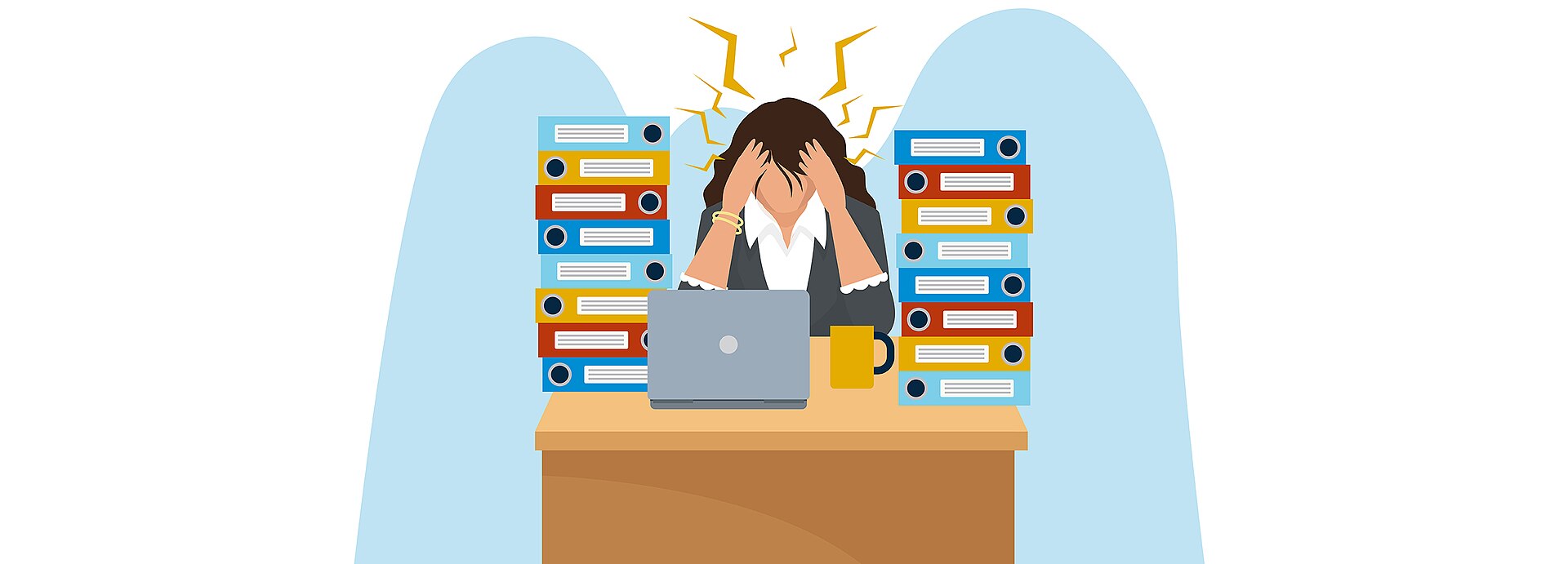
A student’s first arrow could be the inevitable daily or weekly courseload expectations.
The second arrow would be how a student reacts to feeling overwhelmed by the constant stream of assignments and deadlines or receiving a low grade.
Reflecting negatively on your emotions can lead you to feel like there is something wrong with you. However, feeling a certain way does not have to dictate your reality or future.
Improving mindfulness and remaining aware of thoughts and feelings in a nonjudgemental manner may relieve stress that college students hold onto.
Authors of a 2021 National Library of Medicine article Emma McBride and Jeffery Greeson questioned if mindfulness would help students reduce stress and academic performance.
McBride and Greeson referenced a 2019 National College Health Assessment (NCHA), which found that 77% of U.S. college students reported moderate or high levels of stress over the previous year.
In NCHA’s study, 534 college students answered online questionnaires over a 17 month period, which measured mindfulness, stress levels, cognitive abilities based on their own opinions of their capabilities and grade point average.
The study found that students with greater mindfulness reported better concentration, memory and fewer cognitive difficulties.
These students perceived stressful situations as more manageable, but these qualities did not correlate with grade point averages.
One aspect of the study examined decentering, which measures how well respondents could step back and observe thoughts and emotions as temporary or disallow them to control reactions.
Creating mental distance from stressful situations may help people respond more calmly rather than getting caught up in your negative thoughts.
Instead of believing you are terrible at a subject or afraid that you may fail an upcoming exam you’ve studied so hard for, it is beneficial to redirect your mind and recognize that your anxious mindset may be catastrophizing the situation.
Students who practice these techniques may notice lower stress levels and improved concentration on coursework.
Allow yourself to feel the first arrow by acknowledging your stress levels and managing your emotions to practice positive mindfulness.
Although you cannot control what happens, you can adjust your reaction.