
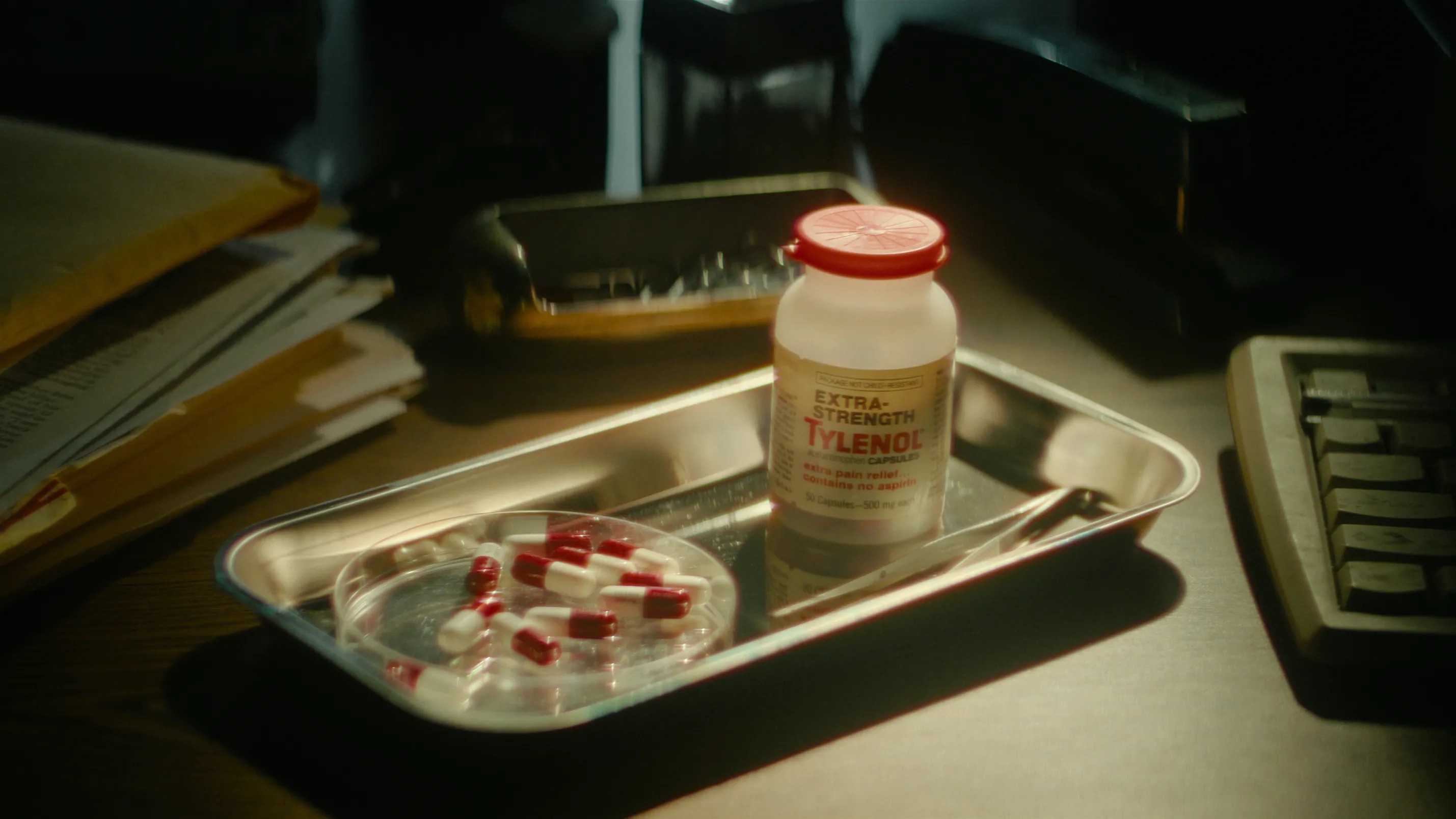
Bottle of Tylenol. Photo courtesy of USA Today.
Consider the hypothetical that you own an internationally well-known burger chain restaurant. In one city, three burgers are poisoned in one of your establishments by an unidentified individual which causes the death of three customers. What do you do?
There are three common possibilities in how you respond to the crisis as CEO. The first choice is to ignore the crisis. The second option is to shut down all restaurants in the affected city and perform safety inspections for food that could be potentially contaminated. The final option is to discontinue service in all of the locations worldwide while food safety is measured and new protocols are created.
This dilemma presents an ethical question several companies have had to answer in the past. While the harm was not intended by anyone at the company, the establishment’s area is still possibly contaminated and further injury must be minimized by the decisions of the company.
In order to make the best decision for your business, there are a few scenarios to help determine which response best aligns with your company’s values. The first option is to consider the increased harm that may occur if you decide to take no action. The second consideration is understanding families are distraught reading this news. Another consideration is to envision how a prominent figure or organization holds empathy for the public and how they might respond to the situation.
In 1982, Johnson & Johnson CEO James Burke made the decision to recall 31 million bottles of Extra Strength Tylenol. The recall was issued after someone tampered with bottles and poisoned them with cyanide, causing the death of seven consumers. The decision, while costly, saved lives and the company’s reputation, and regained consumer trust regardless of overall product loss.


.png)



.jpg)
